
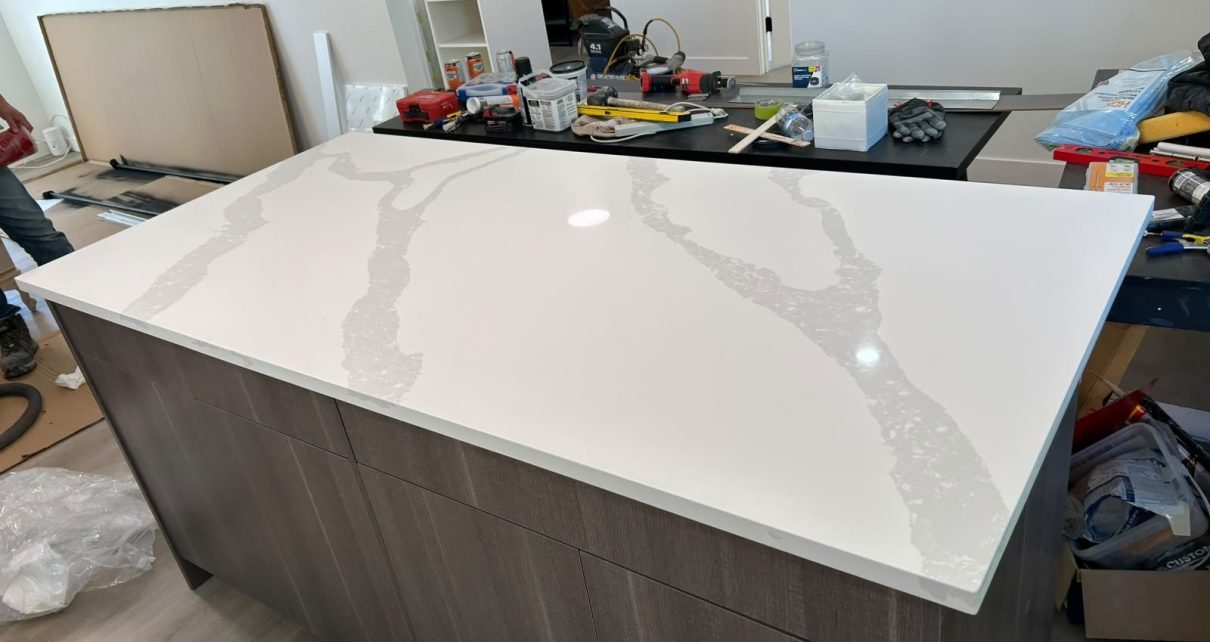
Ask any Calgary kitchen designer which question they hear most, and chances are it’s this one: “Should I choose marble or quartz?” Both materials look stunning in a showroom — but a showroom doesn’t have Calgary’s winters. With dry indoor heating, dramatic temperature swings, and moderately hard water, the stone that looks perfect in the store can behave very differently in your home. As a countertop fabricator working with Calgary homeowners every week, here is an honest breakdown to help you decide.
What Makes Marble Special
Marble is a natural stone formed over millions of years, which means no two slabs are ever alike. Its soft veining and depth are the reason it has anchored luxury kitchens for centuries — from Italian villas to modern Calgary infills.
Pros of marble:
- Unmatched natural beauty — every slab is one of a kind.
- Excellent heat resistance; you can set down a hot pot without panic.
- Ages gracefully, developing a patina many homeowners love.
Cons of marble:
- It’s porous. Spills like red wine, coffee, or tomato sauce can stain if not wiped up quickly.
- It etches — acidic foods like lemon juice can dull a polished finish.
- It needs sealing, typically once a year, to stay protected.
Marble suits homeowners who love natural character and don’t mind a little maintenance in exchange for a truly unique surface.
What Makes Quartz Special
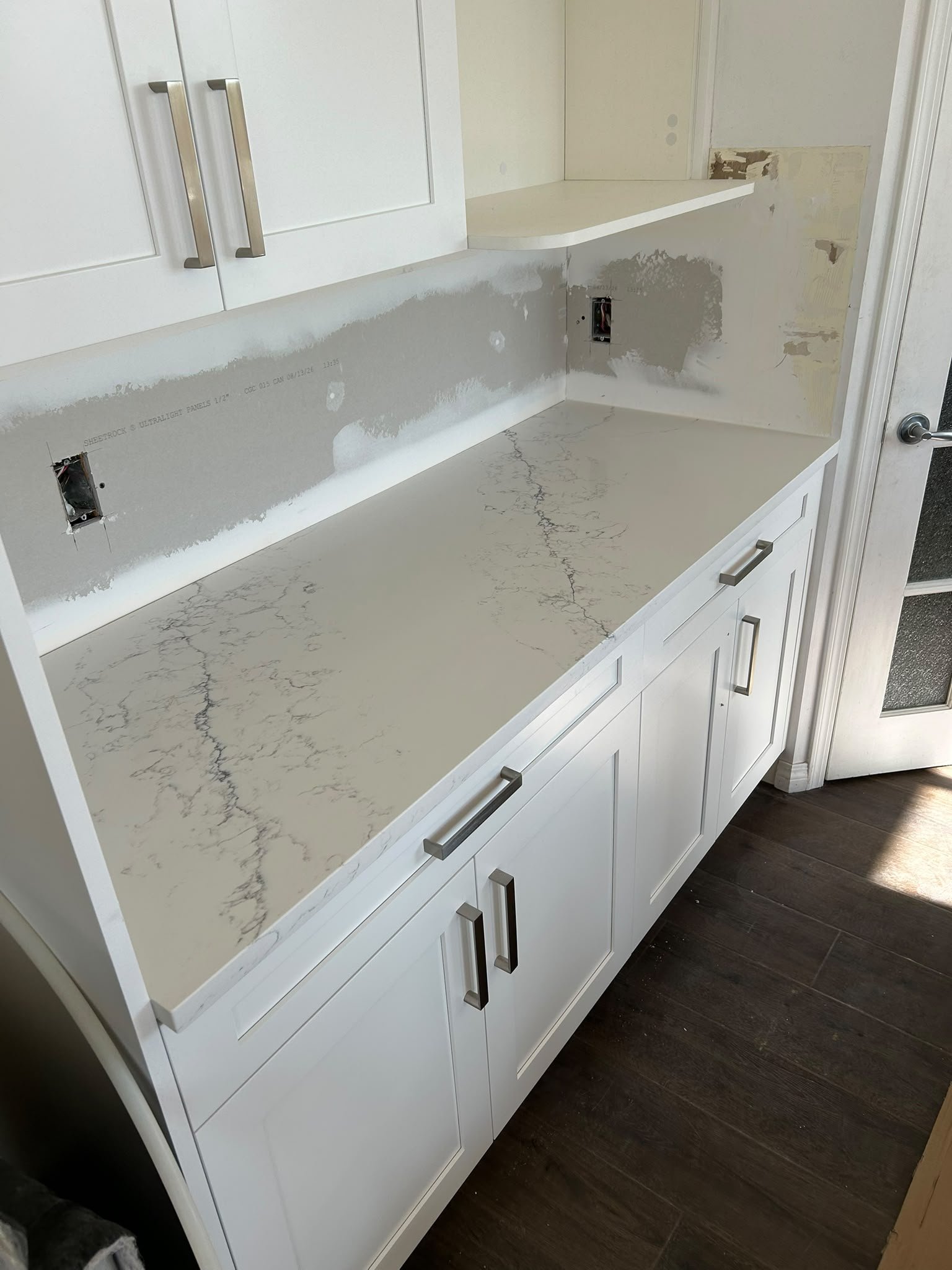
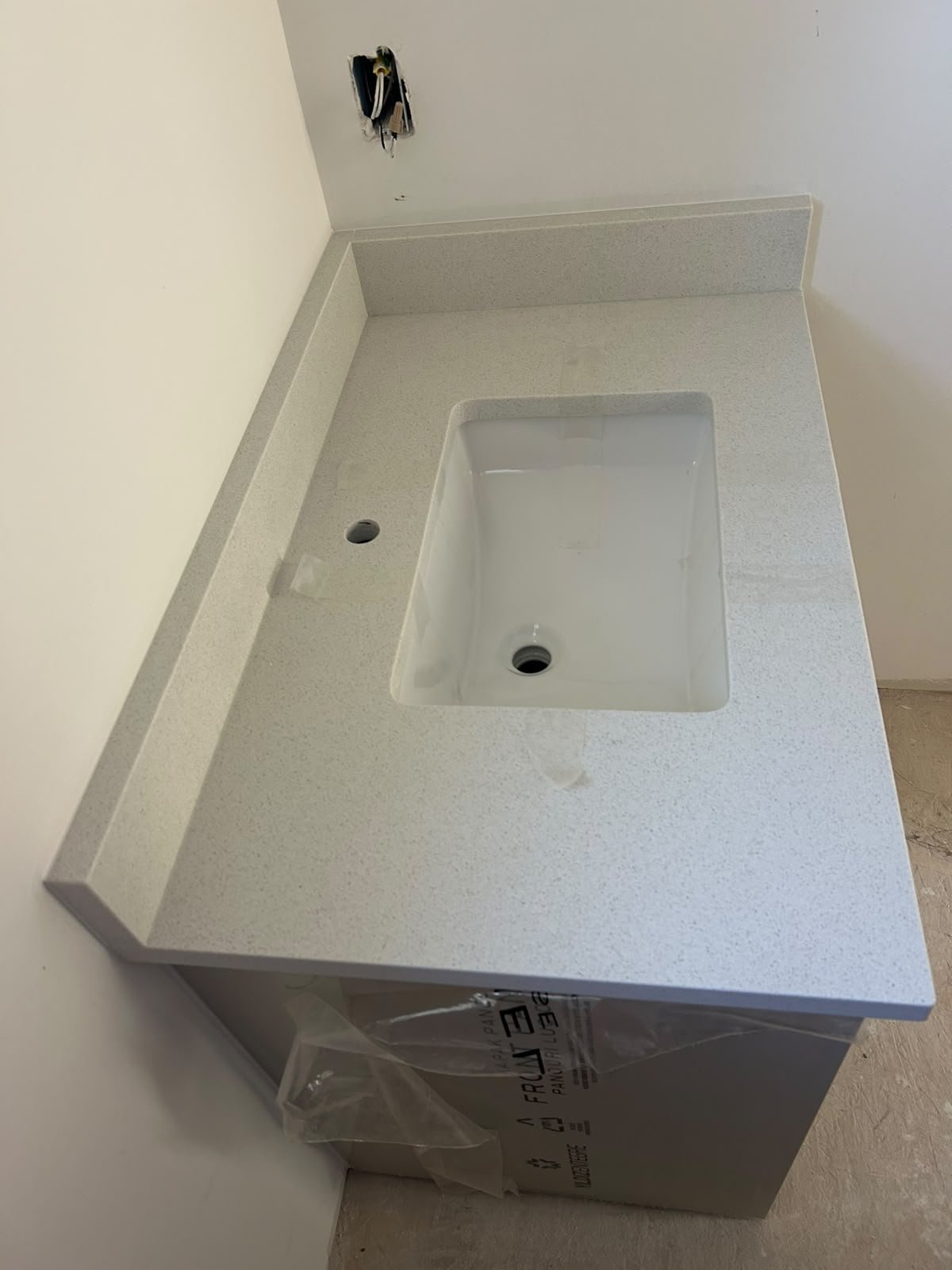
Quartz countertops are engineered from roughly 90% natural quartz crystals bound with resins and pigments. The result is a surface that mimics stone while behaving more like a modern material.
Pros of quartz:
- Non-porous and highly stain-resistant — no sealing required.
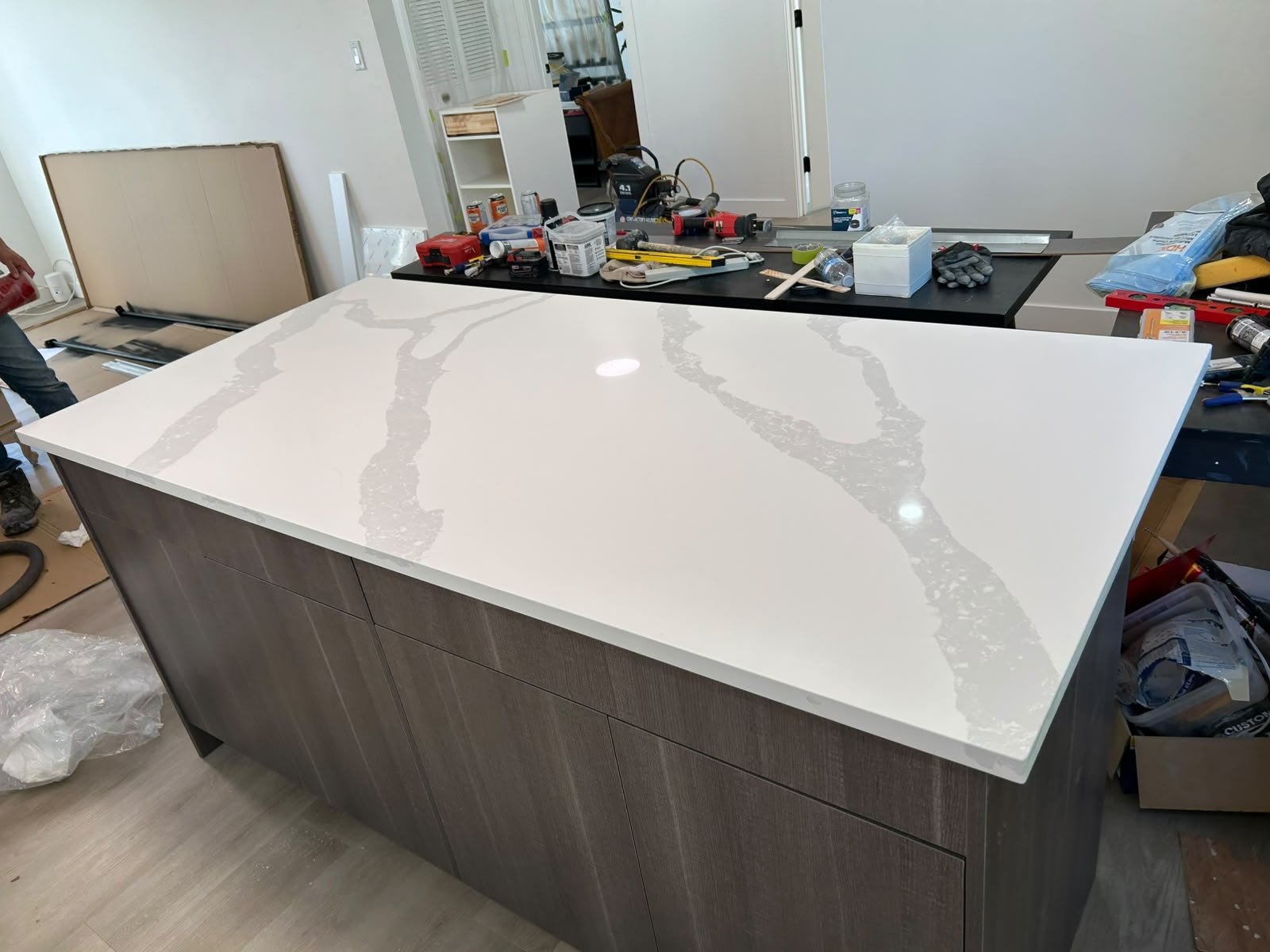
- Consistent patterns, which makes matching slabs for large islands easy.
- Harder and less prone to chipping than marble in daily use.
Cons of quartz:
- Less heat-tolerant than natural stone; a trivet is a must for hot pans.
- Patterns can look repetitive on large surfaces since they’re manufactured.
- Premium quartz brands sit at a similar price point to mid-range marble — don’t assume it’s the budget option.
Quartz suits busy households: families with kids, avid cooks, anyone who wants beauty without a maintenance routine.
The Calgary Factor: Climate Matters More Than You Think
Here’s the part most national buying guides skip. Calgary’s climate puts unusual demands on countertops.
Dry winters. Forced-air heating drops indoor humidity dramatically from November to March. Natural marble handles this fine, but the sealant protecting it can dry out faster — plan on checking your seal annually, ideally before winter. Quartz, being resin-based, is unaffected.
Freeze-thaw and temperature swings. A Chinook can swing temperatures 20 degrees in hours. Your indoor countertop won’t freeze, but homes with poor insulation or unheated spaces (a garage prep area, for example) see real thermal cycling. Natural stone handles this better than resin-based quartz, which can discolor under sustained heat or extreme cold.
Hard water. Much of Calgary’s water is moderately hard. On a marble vanity top, mineral deposits can leave dull spots around the faucet if water sits — a quick daily wipe solves it. Quartz shrugs this off entirely.
Bottom line: if your kitchen is well-insulated and you’re diligent about wiping spills, marble performs beautifully in Calgary. If you want a surface you never have to think about, quartz wins on convenience.
Cost Comparison
In the Calgary market, expect installed prices roughly like this:
- Marble: typically $90–$150+ per square foot installed, depending on slab rarity.
- Quartz: typically $75–$130 per square foot installed, depending on brand and pattern complexity.
- Granite: often lands between the two — see our granite countertops in Calgary page for details.
The ranges overlap heavily, so don’t choose on price alone. Fabrication quality — precise templating, clean seams, proper edge profiles — matters more for longevity than the price gap between mid-range marble and quartz. Always get an itemized quote that separates material, fabrication, and installation.
Maintenance Cheat Sheet
Marble:
- Seal annually (a water-drop test tells you when: if water stops beading, reseal).
- Use pH-neutral cleaners; avoid vinegar and bleach.
- Wipe spills promptly, especially oils and acids.
Quartz:
- No sealing needed, ever.
- Clean with mild soap and water.
- Always use a trivet or hot pad under hot cookware.
Which One Should You Choose?
Choose marble if you want a one-of-a-kind natural surface, love the way stone ages, and are comfortable with annual sealing and quick wipe-ups.
Choose quartz if you want maximum stain resistance, zero maintenance, and a consistent look — especially in a busy family kitchen.
There’s no universally “better” stone — only the better stone for how you live. If you’re still torn, visit a local fabricator’s showroom and look at full slabs, not just small samples. A full slab tells the truth about veining, scale, and character in a way a 4-inch chip never can.
Get Advice From a Calgary Fabricator
Still deciding? Contact us for a free consultation — we’ll walk you through real slabs, honest pricing, and what works best for your kitchen and your habits.
Red Leaf Interior is a Calgary-based fabricator specializing in custom marble, quartz, and granite countertops — from measurement and precision fabrication to professional installation.